
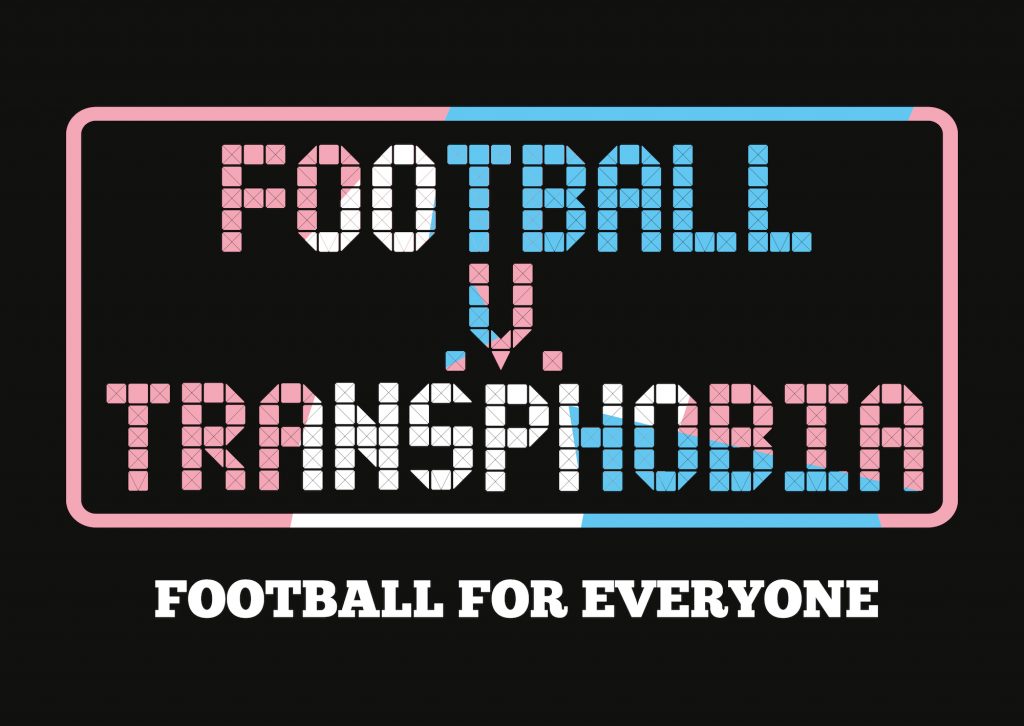
As Football v Transphobia’s Week of Action returns, there’s no better moment to ask what it really means to be a cis ally to trans people, especially if you’re a Manchester United fan.
Football has always been about more than the ninety minutes on the pitch. It’s about identity, belonging, and the communities we build around the clubs we love. For Manchester United fans, that sense of community is woven into the club’s history — a club rebuilt from tragedy, defined by resilience, and carried forward by generations who believe in something bigger than themselves.
Being a cis ally to trans people fits naturally into that story. It’s about showing up for others, defending their right to belong, and refusing to allow hate to define the spaces we share. In football culture, where passion runs high and traditions run deep, allyship isn’t abstract. It’s lived, visible, and often loud.
🌈 1. Understanding Allyship: It’s About Action, Not Identity
Being cis doesn’t automatically make someone an ally. Allyship is a choice — a commitment to learning, listening, and standing up for trans people, even when it’s uncomfortable or inconvenient.
Key parts of that commitment include:
- Educating ourselves rather than expecting trans people to do the emotional labour
- Challenging harmful language, whether it’s in the stands, in the pub, or in the group chat
- Recognising trans people’s autonomy over their names, pronouns, and identities
- Supporting trans inclusion in sport, society, and everyday life.
Allyship is a verb. It’s something you do, not something you claim.
🔴 2. Why Football Culture Makes Allyship Especially Important
Football can be beautiful, but it can also be hostile. The terraces have historically been places where racism, homophobia, and transphobia were normalised. That’s changing, but not fast enough.
As United fans, we’re part of a global community. That means:
- We influence the culture around us
- Our voices carry weight in conversations
- Our behaviour sets a tone for others
United fans pride themselves on being vocal, passionate, and principled. Allyship fits that ethos. It’s about refusing to allow the game we love to be used as a platform for hate.
🏳️⚧️ 3. What Allyship Looks Like in Practice
Here are tangible ways cis United fans can show up for trans people:
Call out transphobia, even when it’s subtle
It’s easy to challenge the obvious slurs. It’s harder to challenge the “jokes,” the “banter,” or the “just asking questions” comments. But that’s where allyship matters most.
Make space for trans fans
Trans people are part of the football community. They’re in the stands, in supporters’ groups, in pubs, and online. Allyship means making sure they feel welcome, safe, and respected.
Support inclusive initiatives
Whether it’s Rainbow Laces, club-led campaigns, or grassroots fan groups, showing up matters. Visibility matters. Solidarity matters.
Use your platform, however big or small
You don’t need thousands of followers to make a difference. A single voice in a WhatsApp group or at the pub can shift the tone of a conversation.
🔰 4. The Manchester United Ethos: “United” Means Everyone
United’s identity has always been tied to values:
- Resilience
- Community
- Loyalty
- Standing together in adversity
Those values don’t stop at the edge of the pitch.
Being a United fan means believing in the power of collective strength. It means refusing to leave people behind. It means recognising that the club’s greatest moments were built on diversity — of backgrounds, of cultures, of identities.
Supporting trans people isn’t a political stance. It’s a human one. It’s an extension of the same principles that make United supporters proud to wear the badge. Trans people are facing increasing hostility — in the media, in politics, and in everyday life. Allyship isn’t optional. It’s necessary.
Football has the power to shape culture. When cis fans stand with trans people, it sends a message that echoes far beyond Old Trafford.
It tells trans fans that they belong.
It tells trans players they’re valued.
It tells the world that football is for everyone. At its best, football is a family, messy, loud, imperfect, but fiercely protective of its own. Being a cis ally to trans people is simply an extension of that loyalty — and it starts with all of us.